Het festival is uitverkocht! Enkel studenten Grieks van de UGent kunnen zich nog individueel inschrijven.
Scholen kunnen wel nog deelnemen aan de werkwinkels in de namiddag. Bij interesse: stuur een mail naar katrien.vanacker@ugent.be
Elk jaar nodigt het Festival Européen Latin-Grec ons uit om een meesterwerk uit de klassieke literatuur te (her)ontdekken. Dit jaar, op donderdag 19 maart, lezen we samen de roman Daphnis en Chloë van Longus, waarbij we enkele themata uit de tekst (de uitdagingen van het opgroeien en de rol van de natuur en kunst) bekijken met moderne bril. Alle geïnteresseerden zijn welkom op de bloemlezing.
Leerlingen en leraren kunnen in de namiddag ook werkwinkels volgen uit het aanbod van onze afdeling Grieks.
Programma
- 10u-12u: bloemlezing (open voor alle geïnteresseerden)
Docenten en studenten, leraren en leerlingen lezen passages voor uit de roman Daphnis en Chloë van Longus. Gastsprekers Stef Craps, Hans Depelchin en Christina Vandekerkhove geven vanuit hun respectievelijke achtergronden als literatuurwetenschapper, romanschrijver en filmregisseur een persoonlijke duiding bij de tekstfragmenten.
- 13u-15u10: werkwinkels (optioneel, enkel voor leerlingen en hun leerkrachten)
Leerlingen kunnen 2 werkwinkels volgen (13u-14u & 14u10-15u10) uit het aanbod workshops van onze afdeling Grieks. Er is keuze uit:
– De wereld van middeleeuws-Griekse manuscripten (Prof. Floris Bernard)
– Greek 2.0: An introduction to Modern Greek (Kyriaki Giannikou)
– Of true love and pirates: an introduction to the ancient novels (Dr. Nicolò D’Alconzo)
– Wat na de klassieke oudheid: Kennismaking met Byzantijnse hagiografie (Dr. Julie Van Pelt)
Meer info over de workshops vind je op onze website: https://www.grieks.ugent.be/info-voor/scholen/workshops-voor-scholen/.
Doe mee!
Oproep 1: voorlezers!
We zijn op zoek naar enthousiastelingen die tijdens ons festival een stukje tekst in vertaling willen voorlezen. Wij bezorgen je een vlotte vertaling van de tekst en komen op voorhand al eens (online) met je samen.
Oproep 2: creatievelingen!
We verbinden ook een wedstrijd aan dit festival. Maak een kledingstuk of accessoire (bv. een hoed, een sieraad, een sjaal, …) met natuurelementen. Laat je inspireren door de roman van Longus. En breng je zelfgemaakte natuurstuk mee op 19 maart, bij het begin van de lente. De drie meest originele ontwerpen winnen een boekenbon ter waarde van €50.
Inschrijven
Schrijf je hier in voor:
- deelname aan de bloemlezing en/of de werkwinkels
- het voorlezen van een fragment uit de roman tijdens de bloemlezing
- onze creatieve wedstrijd
Leerkrachten kunnen zichzelf én hun leerlingen inschrijven.
Deadline: 13 maart 2026
Praktische informatie
- Wanneer: donderdag 19 maart 2026 van 10u tot 12u
- Waar:: Auditorium Vandenhove (Rozier 1, 9000 Gent)
- Toegang is gratis – iedereen welkom!
- Contact: grieks@ugent.be
- De werkwinkels in de namiddag vinden plaats in leslokalen in de Blandijn. Tijdens de middagpauze wordt een locatie voorzien waar leraren en leerlingen hun lunchpakket kunnen nuttigen.
Over onze sprekers
Stef Craps is hoogleraar Engelse letterkunde aan de Universiteit Gent. Zijn onderzoeksinteresses liggen in de twintigste-eeuwse en hedendaagse literatuur en cultuur, de trauma- en geheugenstudies, de ecokritiek en ecologische geesteswetenschappen, en de postkoloniale en dekoloniale theorie. Stef Craps zal op basis van Longus’ roman bespreken wat het betekent om te leven met de seizoenen. Hij slaat daarbij de brug naar vandaag, waar die seizoenszekerheid steeds minder vanzelfsprekend wordt.
Hans Depelchin is een schrijver, speler, presentator en docent. Hij studeerde Latijn en Nederlands aan de Universiteit Gent, volgde de lerarenopleiding, en werd master in de vergelijkende moderne letterkunde. Hij volgde ook de opleiding in drama en woordkunst aan het Conservatorium in Antwerpen. In 2020 verscheen bij Uitgeverij De Geus zijn debuutroman Weekdier. Met zijn nieuwe roman De rode koe maakt hij kans op de Boon Literatuurprijs 2026, die eind maart wordt uitgereikt.
Christina Vandekerckhove is een Gentse scenariste en cineaste. Ze staat bekend om haar intieme portretten met diep menselijke inslag. In 2017 maakte ze met Rabot een straffe en bekroonde documentaire over de laatste bewoners van drie sociale woontorens in Gent. Haar film Milano uit 2024 vertelt het verhaal van Alain die als alleenstaande vader (een rol van Matteo Simoni) zijn dove zoon Milano opvoedt in een sociale woonwijk.


 Daniela De Simone is Assistant Professor in South Asian Art and Archaeology at Ghent University, and was previously Curator for South Asian Archaeology at the British Museum. Her research focuses on the history of South Asian Buddhism through the study of material culture. She has excavated early Buddhist sites in Nepal and conducts regular fieldwork at Buddhist sites in India. She is the principal investigator of the Harvard-funded research project Excavations at Bodhgaya: the Site of the Buddha’s Enlightenment.


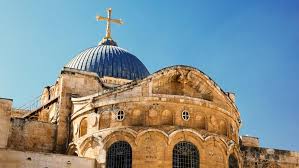
 Peter Van Nuffelen is Gewoon Hoogleraar Oude Geschiedenis aan de Universiteit Gent. Hij werkt voornamelijk over de Late Oudheid en godsdienstgeschiedenis van het Romeinse Rijk.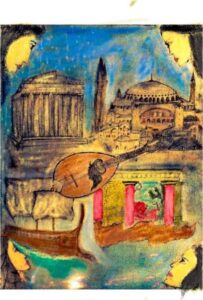
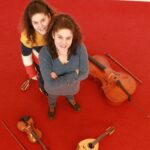 Dr. Maria and Dr. Elina Markatatou are mandolinists, educators, and artistic researchers based in Antwerp. Originally from Crete, they have performed widely in Greece and across Europe, developing a musical practice that bridges performance, historical inquiry, and education. They completed their twin PhDs in the Arts at the Royal Conservatoire Antwerp and the University of Antwerp, where they investigated the mandolin repertoire and performance practices of four regions: the Ionian Islands, Crete, Athens, and the Greek-speaking communities of Asia Minor. Their research combines archival listening, transcription, and embodied performance to bring early 20th-century mandolin traditions into contemporary artistic contexts.
 Han Lamers is gewoon hoogleraar klassieke filologie aan de Universiteit van Oslo en directeur van het Noorse Instituut in Rome. Hij is auteur van onder andere